2026 Conference Agenda
Types of Sessions
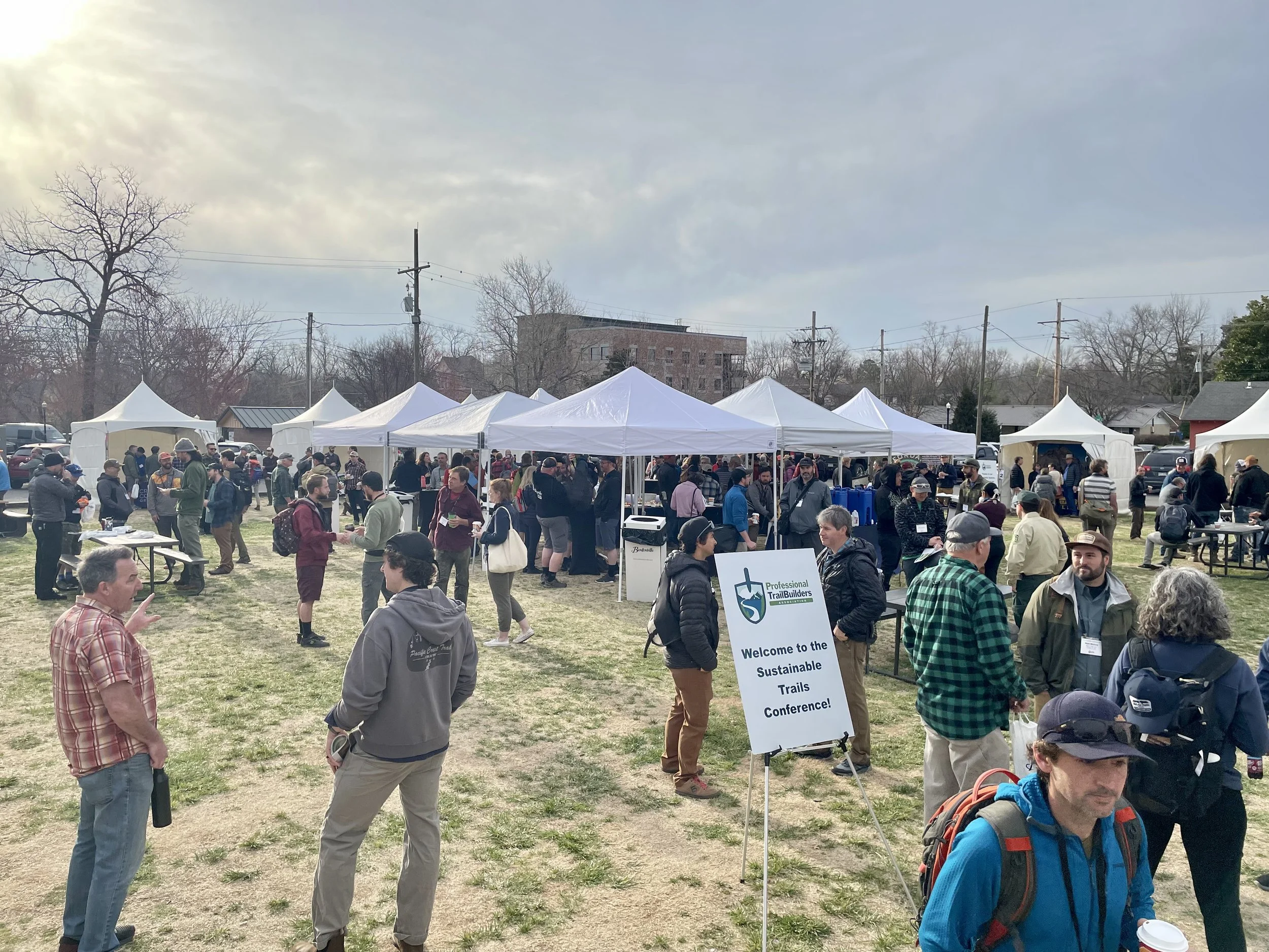
The agenda is coming together, with additional sessions and speakers to be announced as logistics are finalized. What’s already clear is the breadth and depth of opportunities for learning, connection, and collaboration.
Plenary sessions will highlight key trends shaping the trail industry, including best practices, workforce development, and evolving industry standards (Tuesday and Thursday mornings).
Breakout sessions will dive into all phases of trail development - from design and planning to construction, maintenance, and management (1-hour sessions: Tuesday afternoon, all day Wednesday, thursday \Morning).
Roundtable Discussions will provide facilitated discussions focused on advancing the industry
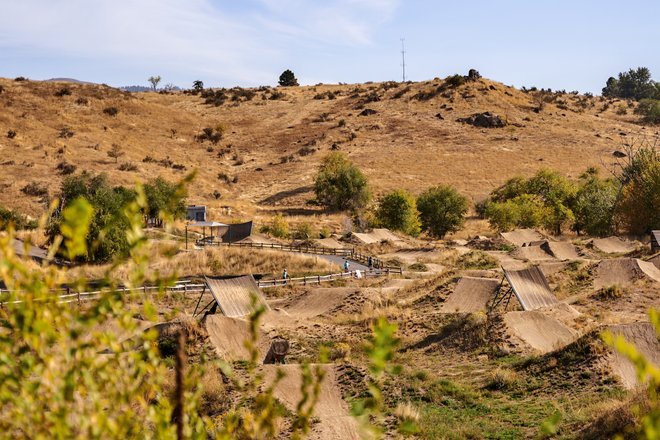
Dirt Demo will be Wednesday afternoon; it is a hands-on outdoor session where attendees test tools, equipment, and techniques in real-world conditions, as well as spend time exploring local trails and connecting with other attendees.
Beyond the sessions, there will be ample social opportunities for networking and knowledge-sharing.
Monday, April 13

4:00 - 6:00 pm
Welcome to Boise Happy Hour (and Pre-Registration)
Barbarian Brewing - the Garden City Taproom (114 East 32nd St, Garden City, ID)
Join fellow attendees for happy hour to kick off the conference! We will also have pre-registration set up to get your name tag, conference info, and drink tickets for the happy hour. Food truck fare available on site- pizza, chicken wraps, nachos, fries, fried pickles, pretzels and more at the Crispy Business Food Truck.
PLEASE NOTE: There are two Barbarian Brewing locations.
We’ll gather at the Garden City location, about 2 miles from the Boise Centre and connected by the scenic Boise River Greenbelt. It’s a great walk, or you can take a Lime scooter, e-bike, Uber, or a quick 5-minute drive.
Sponsored by:

Tuesday, April 14
Registration and Breakfast
7:30 - 9:00 am
Registration: Main Lobby
Breakfast: Trail Expo
Opening Session
9:00 am - 12:00 pm
Ballroom (Room 100 CDE)
9:00 - 9:30 am
Welcome and PTBA's 50th Look Back
Aaryn Kay, Executive Director, Professional TrailBuilders Association; Woody Keen, PTBA Past President, Trail Wisdom; Gerry Wilbour, PTBA Past President, Northwest Trails Inc; Willie Bittner, PTBA President, Great Lakes Trailbuilders.
This opening session offers a welcome to the week ahead and a quick look back at PTBA’s 50-year story - not as a history lesson, but through moments, ideas, and shifts that shaped multiple generations of trailbuilding. From early mechanized work to today’s diverse and global practice, the session focuses on what has changed, what has endured, and why it matters now.
9:30 - 10:30 am
Trails at the Center: The Boise Model
Mayor Lauren McLean, City of Boise; David Gordon, Ridge to Rivers; Brad Wilson, Bogus Basin
This opening plenary will introduce attendees to why Boise was intentionally chosen as the conference host city and share the story behind Boise’s trail system and the nationally recognized Ridge to Rivers partnership.
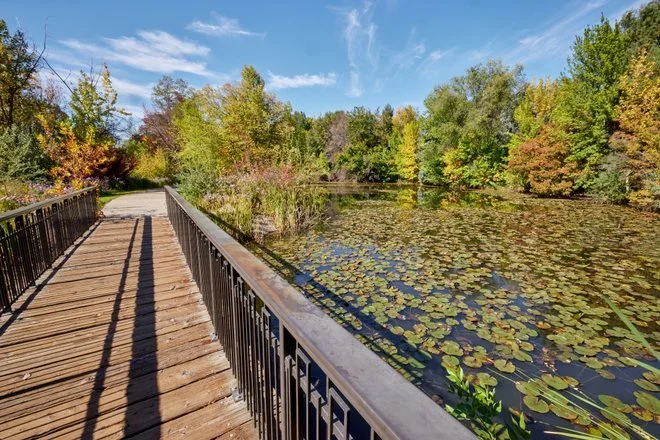
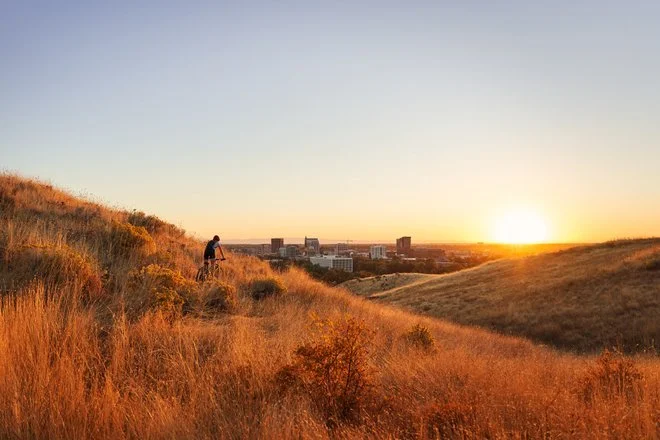
With more than 200 miles of trails directly connected to downtown, Boise stands out as a place where trails are core community infrastructure. The plenary will tell the story of how Boise built this system through long-term vision, sustained funding, and interagency cooperation among city leadership, federal land managers, nonprofit partners, and the community. More than a case study, the session is designed to create a strong sense of place, helping attendees understand what makes Boise special and why it offers lessons for trail communities everywhere.

Coffee and Snack Break in the Trail Expo
10:30 - 11:00 am
Keynote Speaker:
Dillon Osleger
11:00 am - 12:00 pm
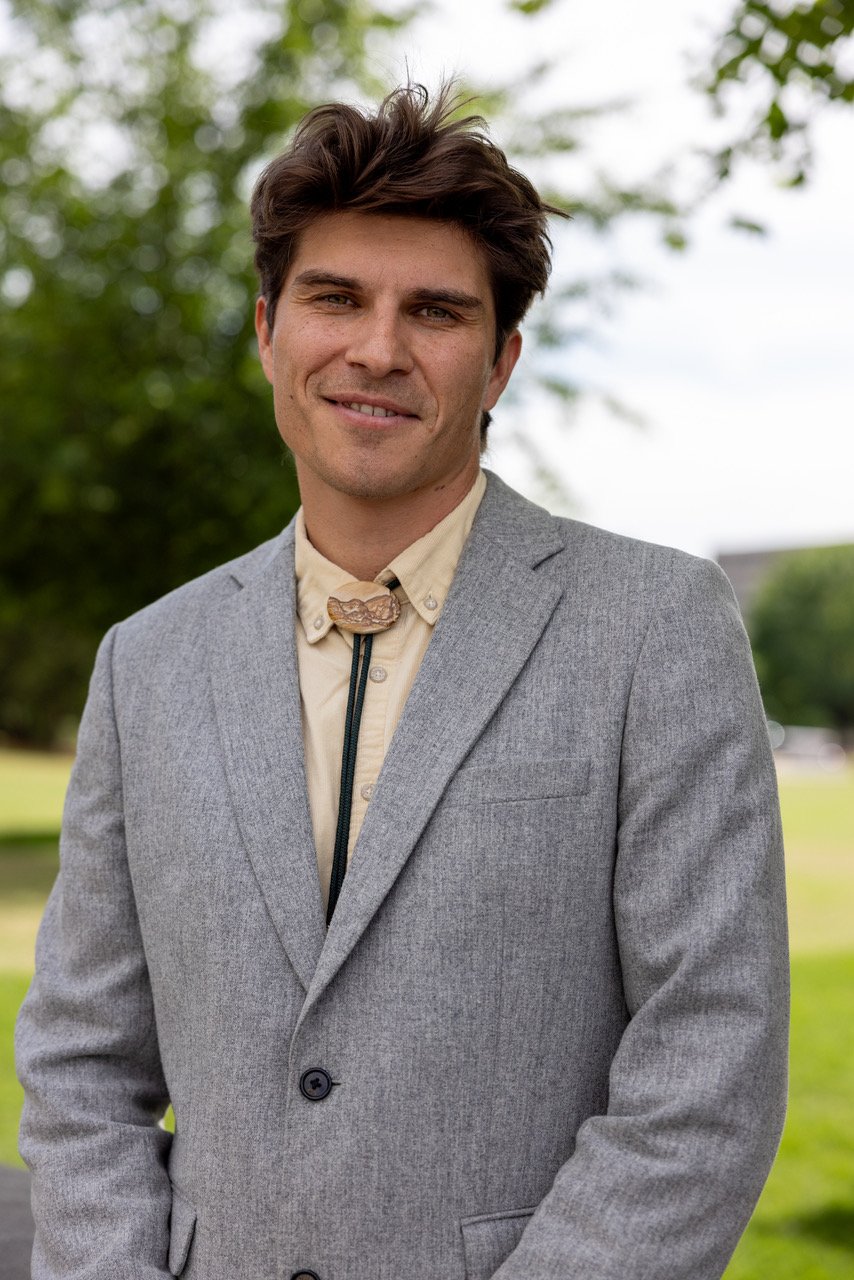
Dillon Osleger is a professional trail builder, earth scientist, environmental advocate and writer, whose work is interconnected and anchored in society's relationship with wild and rapidly changing environments. With an academic background in geology, ecology and climate science, he has spent over a decade working on trail restoration, trail design, land management, and public lands policy across the American West.
His writing has been featured in Outside Magazine, High Country News, The LA Times, and Patagonia’s Cleanest Line, amongst many others. His debut book - Trail Work - blends history, travelogue, and nature writing to explore the hidden trail networks of the American West and what they reveal about public lands and stewardship and will be published this year, with advanced praise from Bill McKibben, Robert Moor, Jason Roberts, Marcia Bjornerud, and Rick Ridgeway.
Lunch
12:00 - 1:15 pm
Lunch at the Sustainable Trails Conference is more than just a break—it’s a chance to gather, connect, and continue the conversation.
Attendees will enjoy a buffet-style menu featuring sustainable, from-scratch fare designed to fuel the afternoon’s sessions.
Thank you to PTBA member company Sierra Trail Works for sponsoring this lunch and helping bring the community together.
Trail Expo Exclusive
1:15 - 2:00 pm
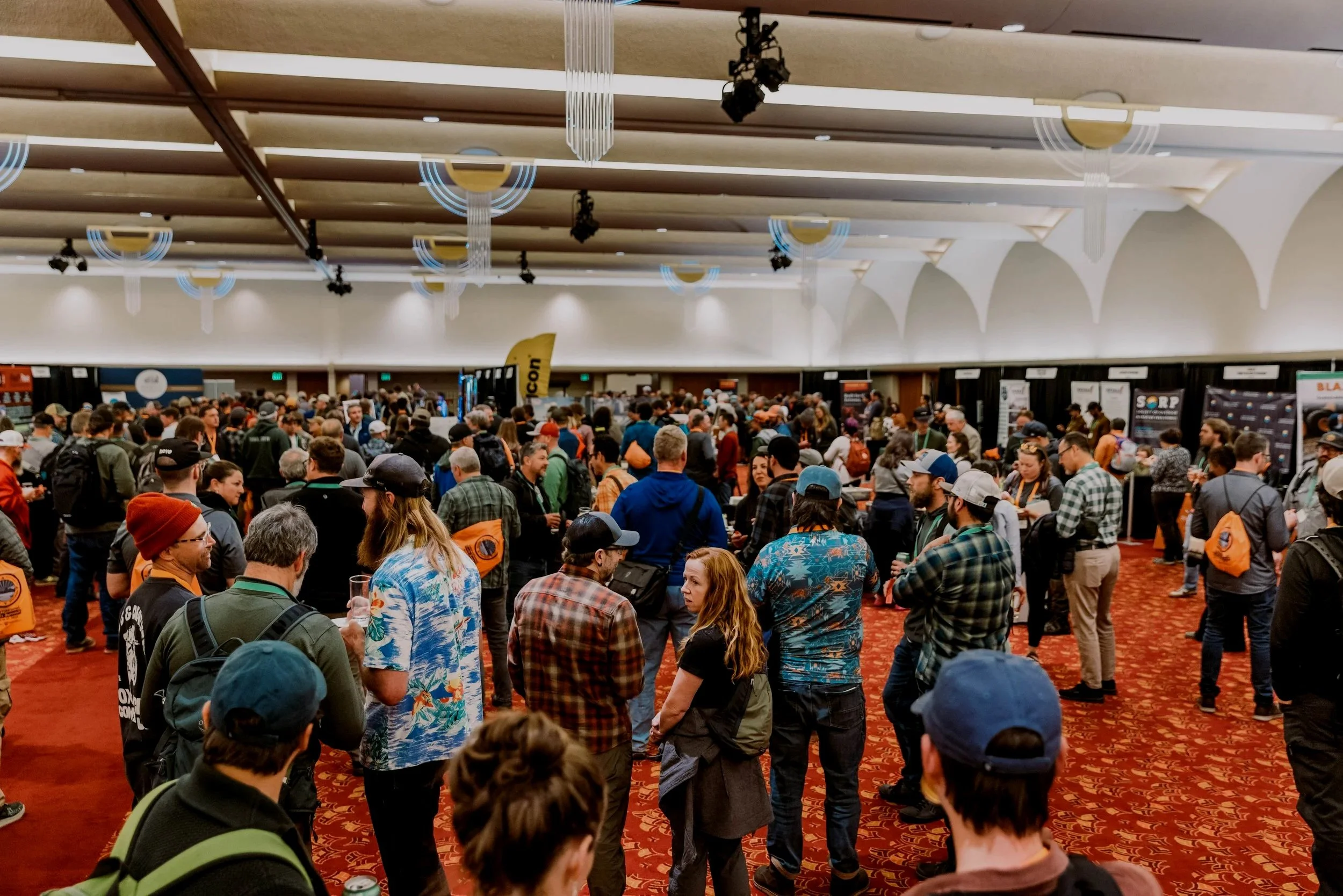
Spend dedicated time in the heart of the conference connecting with the people and products shaping today’s trail industry. The Trail Expo is designed as a hub for hands-on demos, real conversations, and idea sharing, not a quick pass through a trade show. This is your chance to explore new tools and services, ask detailed questions, and build relationships that carry into your trail work long after the conference ends.
Breakout Sessions
2:00 - 3:00 pm
Historic Travel Corridors and Modern Landscapes: The Oregon and California Trails in Idaho
Ballroom (Room 100 CDE)
Jerry Eichhorst, President, Idaho chapter of the Oregon-California Trails Association
This presentation examines the Oregon Trail and California Trail as foundational travel corridors across Idaho, with a focus on how these historic routes continue to influence land use, access, and management today. Using maps, emigrant diary excerpts, historic photographs, and current landscape imagery, the session provides a spatial and historical understanding of where and how these trails moved through the region The presentation will highlight the Boise River Valley, highlighting corridor overlap with modern infrastructure, recreation routes, and managed lands.
Adaptive Trail Design: Lessons from Building the First Adaptive Jump Line
Room 120
Uriah Nazario, American Ramp Company
This session invites PTBA attendees into the story of building the first adaptive jump line in the United States. Led by Uriah Nazario, VP of Territory Trails with American Ramp Company, and joined by our AMTB consultants if available, the hour blends technical insight with real stories, problem solving, and plenty of moments that will have the room laughing. Uriah will walk through concept development, rider testing, and the engineering shifts needed to make berms, rollers, landings, and tabletops safe for adaptive athletes. Participants will leave with practical AMTB design strategies and a sense of empowerment to build more inclusive, high-impact trails.
Closing and Restoring Trails: Ecological Planning and Implementation
Room 110AB
Martha Brabec, Foothills Restoration Specialist, City of Boise
Closing trails is a critical and challenging part of sustainable trail system management. Presented by a restoration ecologist, this session focuses on the planning, design, and field implementation required to close trails in efforts to support native vegetation and long-term ecological recovery. Attendees will learn how to evaluate closure needs, select appropriate plants and materials, implement restoration treatments, and apply adaptive management strategies to sustain native vegetation over time. The presentation will include real-world examples from a sagebrush-steppe landscapes and is designed for trail professionals and builders working across diverse environmental conditions.
Mechanized Trailbuilding: Equipment, Configuration, and Field Decisions
Room 110 CD
Dawn Packard, Blue Sky Trails; Jerome Pelland, Baere; Kevin Joell, Sierra Trail Works; Curran Wilbour, Northwest Trails Inc.
This technical session is led by professional trailbuilders with extensive hands-on experience using mechanized equipment in trail construction. Panelists will dive into equipment selection, machine configuration, and the real-world decisions that shape productivity, sustainability, and safety in the field. Designed for practitioners, this session focuses on applied lessons learned across terrain, project types, and constraints, with practical insights attendees can bring back to their own work.
Developing Trail Condition Assessment Surveys with ArcGIS Survey123
Room 130
Michael Holden and Wes Paulos, Virginia Department of Conservation and Recreation Division of Natural Heritage
This session provides a practical, step-by-step overview of developing trail assessment surveys using ESRI’s ArcGIS Survey123. Participants will explore how to identify meaningful trail assessment metrics, create surveys using the Survey123 web app, and customize forms using Survey123 Connect. The session also covers how completed surveys can be used by staff and shared for public data collection, including setting appropriate sharing permissions. Participants will be introduced to final deliverables such as a completed survey, an online dashboard, and integration of survey results within ESRI Field Maps. A partially developed survey template will be provided to support hands-on learning and survey development.
Roundtable Discussion: Trails Curricula Update
Room 140
Vaike Haas, West Virginia University
This roundtable allows educators from institutions across the country to discuss recent trends in academic trails education and build new research and teaching collaborations as they continue to develop and refine courses addressing core competencies in trail construction and maintenance, crew management, project planning and design, and program administration. Academic and community-based education program models are compared, and potential areas of overlap are identified. The efficacy of different methods of teaching are explored as are ways to combine field-based and online learning.
Snack Break in the Trail Expo
3:00- 3:30 pm
Breakout Sessions
3:30 - 4:30 pm
Hybrid Trail Contracting: Collaborative Approaches for Complex Projects
Room 120
Gerry Wilbour, Northwest Trails Inc; Willie Bittner, Great Lakes Trailbuilders
Hybrid trail contracting is often used by land managers to deliver projects that involve a mix of private trail contractors and nonprofit partners, including youth corps and volunteer crews. In this session, two experienced trail contractors share their on-the-ground experience delivering complex trail projects that combine mechanized construction, blasting and rock work, bridges, and other technical elements alongside volunteer or corp crew-based efforts. Presenters will walk through several hybrid project models, highlighting when they are used, how roles and responsibilities are structured, and what it takes to coordinate across mixed teams. The discussion will compare pros and cons of different approaches and share lessons learned from real projects, with an emphasis on managing safety, risk, quality, and schedules.
No Excavators Here: Backcountry Trail Construction and Maintenance
Room 110 CD
Jay Kepes, Tahawus Trails
Working on remote trails, especially in wilderness areas, requires a unique set of skills and tools and a mindset to match. This session will explore the essentials of non-mechanized trail work, from simple trail maintenance to complex construction. Specific topics will include (but not be limited to): the art of digging out drainage dips; thorough corridor clearing; setting up highline systems to maximize efficiency; and setting stones to blend into a natural landscape.
Fire on the Divide: Partners Unite to Restore the Continental Divide National Scenic Trail
Room 110 AB
Dan Carter, Continental Divide Trail Coalition
In 2022, the Black Fire burned 327,263 acres in the Gila National Forest including the Aldo Leopold Wilderness. 50 miles of the Continental Divide National Scenic Trail, and many side trails, were impacted. The Continental Divide Trail Coalition has been part of the post wildfire recovery since the initial surveys. This catastrophic event and recovery work have provided a unique opportunity to build a strong, diverse public and private partnership to develop and hone trail skills and logistics in a challenging setting. This is a model for collaboration and impactful work on trails and public lands in the future.
The Hard MTB League: Pushing Innovation in Course Design and Event Delivery
Room 130
Rob Hollerman, Course Builder; Brandon Bringhurst, Founder
The Hard MTB League pushes mountain bike competition in a new direction through intentionally designed, highly technical race tracks that test the best riders in the world. In this session, league founder Braydon Bringhurst and Boise course designer and builder Rob Hollerman share the vision behind the League and the process of designing and constructing courses that balance innovation, difficulty, safety, and spectator experience. Drawing from events hosted in the Boise area, speakers will cover track design concepts, feature construction, and the logistics of building multiple high-performance courses within a compact event footprint.
Roundtable Discussion: Building Brand Legitimacy: How Strong Branding Elevates the Trail Industry
Room 140
Miles Ramsay, 52Eighty Creative; Jerome Pelland, Baere; Stephanie St-Pierre, Baere; Uriah Steber, Benchmark Trails
This roundtable invites trail builders, marketers, and industry leaders to discuss how professional branding can strengthen both individual businesses and the trail industry as a whole. We’ll explore what trail building companies are doing—and should be doing—to establish credibility through thoughtful design, storytelling, and presentation. From logos and apparel to websites, proposal decks, and client communication, participants will share experiences, challenges, and best practices
Women in Trails Gathering
3:30 - 4:30 pm
Ballroom (Room 130 CDE)
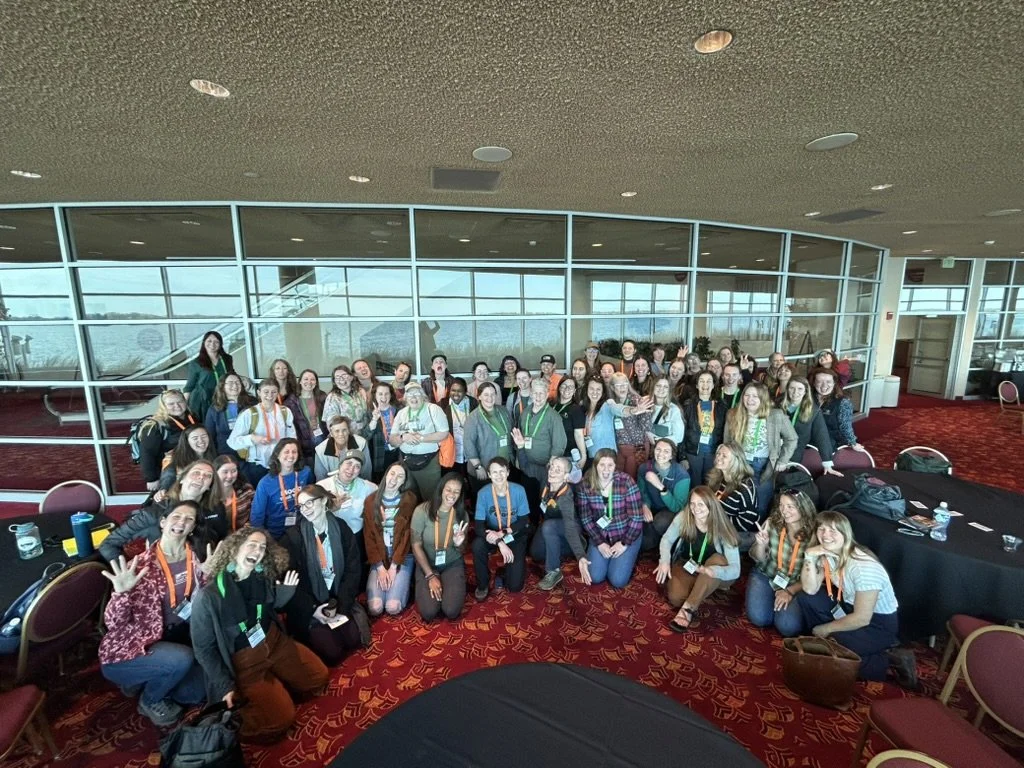
Join us for an informal, women-only gathering focused on connection, conversation, and community. This casual meetup is a space to talk trails, careers, the trail industry, and personal experiences with others who share a passion for this work.
We’ll kick things off with a relaxed pre-happy hour gathering, creating time to connect before heading out for the evening. There is no agenda and no presentations, just conversation, shared stories, and space to build relationships across roles, backgrounds, and career stages.
Come as you are, grab a drink if you’d like, and enjoy an easygoing chance to connect with other women in the trail community.

Happy Hour in the Trail Expo
4:30 - 6:30 pm
Join us Tuesday evening in the Trail Expo for a casual end-of-day gathering with plenty of opportunities to connect and continue conversations from the sessions.
A generous lineup of appetizers will be served, including BBQ meatballs, beef sliders, chicken satay, sausage-stuffed mushrooms, mini potato skins, caprese skewers, risotto arancini, mushroom tarts, deviled eggs, and vegan focaccia. A cash bar will also be available.
Many thanks to Kafka Granite and our partner American Trails for sponsoring the evening and supporting this time together.

Wednesday, April 15
Coffee and Breakfast
7:30 - 9:00 am
Location: Trail Expo
Breakout Sessions
9:00 - 10:00 am
Climate Change and Trail Adaptation Across Regions
Ballroom (Room 100 CDE)
Willie Bittner, Great Lakes Trailbuilders; Gerry Wilbour, Northwest Trails Inc.; Jerome Pelland, Baere
As climate conditions change, trail systems are being impacted in different ways depending on region, landscape, and management context. This panel brings together trail professionals from a range of climates to share what they are seeing on the ground and how they are adapting trail design, construction, and maintenance to respond. The discussion will also explore the opportunity for trails to serve both recreation and utilitarian land management needs, and how resilient trail systems can support broader forest conservation and stewardship efforts.
Pump Track Design & Construction: Trends and Practical Considerations
Room 110 CD
Martin Matinec and Jake Carsten, Alliance ASE
Pump tracks have evolved from niche facilities into widely used community assets in parks, schools, trail systems, and urban spaces. This session focuses on the design and construction principles that shape successful pump tracks and support long-term performance. The presentation will cover past, current, and emerging trends in pump track design, with attention to shaping, flow, durability, and progression for multiple user types and skill levels. It will also examine common challenges related to safety, user conflicts, site integration, and material selection, including the growing use of eco-friendly construction approaches within green urban environments.
Fundamentals of Aggregate Surface Trails
Room 130
Erin Amadon, Town 4 Trail Services, LLC; Jedediah Talbot, OBP Trailworks, LLC
This session provides a broad-based overview of best practices for designing and constructing high-performing aggregate surface trails. Participants will explore how material selection, gradation, and proper layering contribute to long-term durability, accessibility, and environmental sustainability. The discussion will cover key design considerations, including slope, drainage, soil stability, and the use of geotextiles to enhance performance. Attendees will gain practical insights into how thoughtful planning and construction techniques result in resilient, low-maintenance trails that harmonize with the natural landscape.
Trail First Aid Primer: Practical Response Skills for Trail Crews
Room 140
Devon Haire, Mountain Patrol Manager, Bogus Basin
This one-hour session provides a practical introduction to first aid considerations specific to trail work environments, led by experienced local ski patrol professionals. Designed for trail builders, crew leaders, and land managers, the session focuses on recognizing common trail-related injuries, assessing scenes in remote or rugged settings, and making smart decisions before professional medical help arrives. Emphasis will be placed on possible real-world scenarios faced during trail construction, maintenance, and field operations, with a focus on safety, preparedness, and risk mitigation rather than certification-level training.
Risk Management for Trail Construction
Room 110 AB
Kevin Joell, Sierra Trail Works
Trail construction inherently involves working in dynamic, high-risk environments, where unmanaged hazards can lead to serious injuries, fatalities, or costly project impacts. This session focuses on practical risk management and safety strategies tailored specifically to trail construction activities. Drawing from real-world scenarios, presenters will explore common hazards encountered in the field and best practices for mitigating risk at the crew, project, and organizational levels. Attendees will leave with actionable tools to strengthen safety culture, protect workers, and reduce liability across trail projects.
Trail Competencies and Skills: Building a Foundation for Career Pathways, Apprenticeships, and Training
Room 120
Aaryn Kay, PTBA; Mariah Keagy, Sinuosity Flowing Trails; Mike Passo, American Trails
This session takes a deep dive into the updated Trail Competency Framework, a set of clearly defined competencies and skill levels (entry, full, expert) designed to support professional growth and consistency across the trail industry. The framework spans five key categories: Construction, Maintenance, Project Planning and Design, Crew Leadership, and Program Administration. Speakers will unpack each category, share the rationale behind the skill level definitions, and discuss how the framework was developed in collaboration with trail industry leaders.
Snack Break in the Trail Expo
10:00 - 10:30 am
Join us in the Trail Expo and outside of the Boise Centre to explore an Arete Bridge, Kafka Granite's hands on demonstration, and Machines from Ditch Witch and Vermeer!
Breakout Sessions
10:30 - 11:30 am
“Ruff” Situations: Introduction to Basic First-Aid and Recognizing Emergencies for Trail Dogs
Room 140
Sheryl Kepping, Emergency Veterinarian and ER Department Head, WestVet Emergency and Specialty Hospital
Our dogs are our common companions when working out on the trail, but injuries and emergencies happen! Learn how to recognize and prepare for common outdoor emergencies that affect our four-legged friends. We will discuss basic First Aid, what you can do in the moment, and when to seek emergency care vs when a visit can wait to see your family veterinarian. Topics include heat stroke, wounds, trauma, and bites injuries.
Trail to Office to Trail - GIS in Trail Planning
Room 120
Jon Altschuld, Principal, Chinook Landscape Architecture
This session will look at how various GIS software and tools have been used on real world trail projects for site assessment, planning, and design tasks. Tools covered will include field collection apps (OnX, Avenza, Survey123, etc.), desktop GIS (mainly QGIS, with some ESRI), and online webGIS for collaboration and presentation (ESRI). The session will also go through workflows to move data between all of these tools efficiently and to maximize usable data. Presentation will be a digital slideshow combined with working live in various softwares, with Q&A throughout and at the end. This session will also showcase unique GIS software that Chinook has developed specifically for Trails Planning and Assessment workflows.
Rigging for High-Load Trail Applications*
Room 110 CD
Jack Thompson, Tristan Jones, and Curran Wilbour, Northwest Trails, Inc
This one-hour classroom session introduces rigging methods and safety considerations for high-load applications commonly encountered in trailbuilding and equipment recovery. The session covers modern rigging materials and systems, including synthetic ropes, soft shackles, and updated winching technologies, with an emphasis on safe use, load management, and decision-making in high-risk environments. It provides essential context for hands-on training while offering practical insight for anyone working around heavy loads in trail construction and operations.
*Attendance is required for high-load rigging workshop participants, and the session is also open to all conference attendees.
Stonework Techniques for Trails
Room 130
Erin Amadon, Owner, Town 4 Trail Services LLC; Willie Bittner, Owner, Great Lakes Trailbuilders
Stonework is one of the most rewarding forms of trail construction, combining craftsmanship, problem-solving, and durability. This session introduces the fundamentals of working with stone, including selecting appropriate rock types and shapes, understanding safe handling and movement techniques, and applying effective construction principles for long-lasting, visually appealing trail structures. Participants will explore examples of successful stonework projects and gain insight into planning, design, and installation practices that balance functionality, aesthetics, and sustainability.
Designing and Constructing Adaptive MTB Trails: The Avimor Project
Room 110 AB
Brian Vaughan, Titus Trails; Damian Kolbay, SWIMBA; Justin Bickel, SWIMBA and Challenged Athletes Foundation; CJ Brown, Challenged Athletes Foundation
This session tells the story of the adaptive mountain bike (A-MTB) trail system at Avimor. Speakers will share the inspiration for the project, the process of moving from concept to construction, and the key design and build considerations unique to adaptive MTB trails. The session will also highlight rider feedback, lessons learned, and future plans, with an emphasis on collaboration between trail organizations, professional builders, and the adaptive riding community to expand access while maintaining high-quality trail experiences.
From Concept to Completion: Trail Project Life Cycle and Contracting
Ballroom (Room 100 CDE)
Scott Linnenburger, Kay-Linn Enterprises; Jed Talbot, OBP Trailworks; and Dr. Jeremy Wimpey, Applied Trails Research
Delivering successful trail projects requires a clear understanding of both the project life cycle and the contracting processes that support it. This session walks through the full arc of a trail project - from early planning and feasibility through design, construction, and maintenance - highlighting key steps, decisions, and deliverables along the way. Participants will gain insight into how project deliverables evolve across phases, and how they translate into scopes of work, procurement methods, and contractor selection. The session will also cover practical considerations for structuring contracts, setting expectations, and aligning timelines and budgets. Ideal for land managers, planners, and trail professionals, this session provides a clear, practical overview of how trail projects move from idea to implementation.
11:30 - 1:15 pm
Lunch
Breakout Sessions
1:15 - 2:15 pm
Creative Solutions to Crowded Trails - How we have lessened conflicts on the busy Ridge to Rivers Trail System in Boise
Ballroom (Room 100 CDE)
David Gordon, Ridge to Rivers Trail System Manager
The Ridge to Rivers Trail System receives upwards of 2 million visitor days per year – the vast majority of which occurs on trails shared by mountain bikers, hikers and runners. Learn about the strategies we have employed to lessen conflicts between these user groups, and the process we went through to ensure that these strategies would be successfully supported by our trail users. Implementation of parallel trails, directional trails, a purpose built trail and an odd/even day system have all helped to create happier trails here in Boise.
Materials and Designs for Modern Trail Bridges and Boardwalks
Room 110 CD
Aaron Steele, Tailored Trails, LLC
This presentation explores the innovative materials and design strategies used in constructing trail bridges and boardwalks, focusing on durability, sustainability, and environmental integration. It covers the selection of materials such as timber, composite lumber, metal, and fiberglass, highlighting their benefits and challenges in various trail settings. The session will also delve into modern design approaches, including modular systems, low-impact foundations, and aesthetic considerations that enhance user experience while minimizing ecological footprints. Through case studies and practical examples, attendees will gain insights into best practices for creating safe, accessible, and long-lasting trail infrastructure that harmonizes with natural landscapes.
Bike Jump Building 101: Deterministic Jump Geometry, Safety, and Earthwork Estimation Tool
Room 110 AB
Erik Mickelson, Tahawus Trails
This talk explores a different way of thinking about trail jump geometry, shifting from hand-drawn intuition toward a physics-constrained, parametric exploration of takeoffs, gaps, and landings. Using a simple, visual tool, we examine how rider trajectory, speed variability, and geometric assumptions influence feasible shapes, earthwork volumes, and tolerance margins. Rather than prescribing designs, the model serves as an educational framework for exploring tradeoffs, constraints, and uncertainty that are often implicit in traditional workflows. The goal is not to replace field experience or professional judgment, but to help narrow the gap between intuition and analysis.
Data in the Dirt: Using Strava to Plan, Protect, and Promote World-Class Trails
Room 130
Tom Knight, Strava
What if your trail network could speak for itself? In this session, we’ll show how Strava Metro is helping planners, builders, and advocates make better decisions using real-world movement data. From identifying trail use patterns to justifying funding for maintenance or expansion, Strava’s anonymized, aggregated data offers powerful insight into how and when trails are used. Featuring case studies from around the world, we’ll explore how local communities, land managers, and trailbuilders are using data to plan sustainable networks, manage wear, and demonstrate impact to funders and policymakers. Whether you build trails with shovels or spreadsheets, this is a look at how data can help us all build better.
Rebuilding Trails After Wildfire: From Assessment to Construction
Room 120
Lee Fouste, Oregon Woods; Scott Linnenburger, Kay-Linn Enterprises
Wildfire dramatically alters trail conditions, creating complex challenges for assessment, decision-making, and construction. This session brings together post-fire trail assessment and hands-on rebuilding experience to examine how agencies and partners evaluate damage, prioritize what to reopen, repair, reroute, or close, and move projects forward. Topics include issues unique to burned landscapes, such as addressing altered hydrology, unstable soils, loss of vegetation, and ongoing hazard tree risk. The discussion also explores timing, safety, design adaptations, and construction techniques required in post-fire environments.
Beyond the Dirt: Leveraging Educational Standards to Build Growth-Ready Skills Parks
Room 140
Shaums March, BICP
Skills parks are the gateway to mountain biking, yet design often overlooks the specific requirements for professional instruction. This session introduces the BICP Certified Skills Park project—a global initiative aligning trail construction with professional coaching curricula. We will explore how building to Level 1 and Level 2 specifications creates safer, progressive learning environments that foster sustainable community growth. Attendees will learn how incorporating these standards adds market value to their projects, minimizes liability through purposeful feature design, and ensures their builds serve as high-visibility hubs for the next generation of riders through a partnership with the BICP.
2:00pm - 2:30pm
Boise Centre Plaza Demo
Join us in the Boise Centre Plaza to get a taste of the ‘not dirt demo’ — on display is an Arete Bridge, Kafka Granite's hands on demonstration, and machines from Ditch Witch and Vermeer!
Thursday, April 16
7:30 - 9:00 am
Breakfast and Coffee
Breakout Sessions
9:00 - 10:00 am
Helicopters in Trailbuilding: Logistics and Lessons from the Northwest
Room 100 CDE (Ballroom)
Gerry Wilbour, Northwest Trails; Lee Fouste, Oregon Woods
Helicopters can be the key to completing remote trail projects, but they also add layers of complexity. In this session, veteran builders Lee Fouste and Gerry Wilbour share the real-world logistics behind helicopter-supported trail work. Drawing on their own projects in the the Pacific Northwest, they’ll walk through the planning, coordination, and safety strategies that make these operations possible. Participants will gain insight into when helicopter operations make sense (and when they don’t), budgeting and permitting considerations, coordination with land managers and helicopter crews, and the safety protocols essential to high-logistics environments. The session will highlight practical tips, common challenges, and lessons learned.
Volunteers and Pro Crews: A Sustainable Model to Meet a Dynamic World
Room 130
Joe Hall, Washington Trails Association
An integrated volunteer and pro crew ecosystem can be a key to building sustainable programs into the future. The goal is to share our experience and encourage programs to be multi-faceted to respond to the dynamic needs of our land managers. This presentation will cover the “why” and “how” of operationalizing this ecosystem, highlighting the benefits to all involved. We’ll also go over the challenges we tackled and still face today. Through specific examples, we will demonstrate how “trail work for everyone, forever” expands the menu of options for our partners and builds stewardship for as many people as possible.
User Experience and Trail Design
Room 110 AB
Jerome Pelland, Baere
This session builds on the previous UX Design for Trails presentation, which introduced the core principles of user experience (UX) and design with empathy. This year’s session moves from concept to practice, focusing on how those principles can be applied to intentionally create positive, memorable trail experiences. Participants will explore how the trail itself is only part of the user journey. Using real-world examples, this session examines the key elements beyond tread and features—such as context, expectations, access, management decisions, and surrounding experience—that shape how users think, feel, and ultimately engage with a trail system. By expanding the lens from “the trail” to “the experience,” this session demonstrates how thoughtful UX-informed decisions can increase user satisfaction, strengthen stewardship, support land manager goals, and create compelling reasons for people to return again and again.
Roundtable Discussion: Trail Surfaces - Choosing Materials for Durable and Accessible Trails
Room 110 CD
Aaron Steele, Tailored Trails, LLC; Matt Malone, Nature Trails, LLC
This roundtable discussion explores the diverse range of trail surfacing materials, focusing on their durability, accessibility, and environmental impact. We will examine the benefits and challenges of materials such as aggregates, chip seal, concrete/asphalt, and natural surfaces, considering factors like cost, maintenance, user experience, and sustainability. The discussion will highlight best practices for selecting materials that balance trail functionality, inclusivity for diverse users, and environmental stewardship.
Snack Break in the Trail Expo
10:00 - 10:30 am
Closing Keynote:
Nathan Reigner, Ph.D.
10:30 - 11:30 am
Nathan Reigner, Ph.D. is Pennsylvania’s first Director of Outdoor Recreation and Chair of the Confluence of States Coalition, a bipartisan alliance advancing outdoor recreation across state governments nationwide. In the closing plenary, Nathan will zoom out from project-level and technical topics to explore where the trail industry is headed at a national scale, and what that future means for practitioners, communities, and public land managers.
Drawing on his experience working at the intersection of policy, research, and on-the-ground recreation investment, Nathan will reflect on broad trends shaping trails and outdoor recreation across the country. His perspective spans rural and urban communities, public lands and local trail systems, and the evolving role of trails within state and national strategies, offering attendees a thoughtful, forward-looking lens as the conference comes to a close.

Post Conference:
Hikes and Rides
1:00 - 5:00 pm
Guided hikes and rides led by the team that builds and manages the trail system.
Participation is first come, first served.
Attendees can secure their spots on the conference app - CVENT!
App download details on the main conference page.
No fee for attendees; weather dependent.
BIKES are not provided.
E-bikes are not permitted on the trails being used for the group rides.
See the bike rental discount - the Trailbuilder Special - on the plan your trip page.